Digital Microscope Zoom Explained: A UK Buyer's Guide
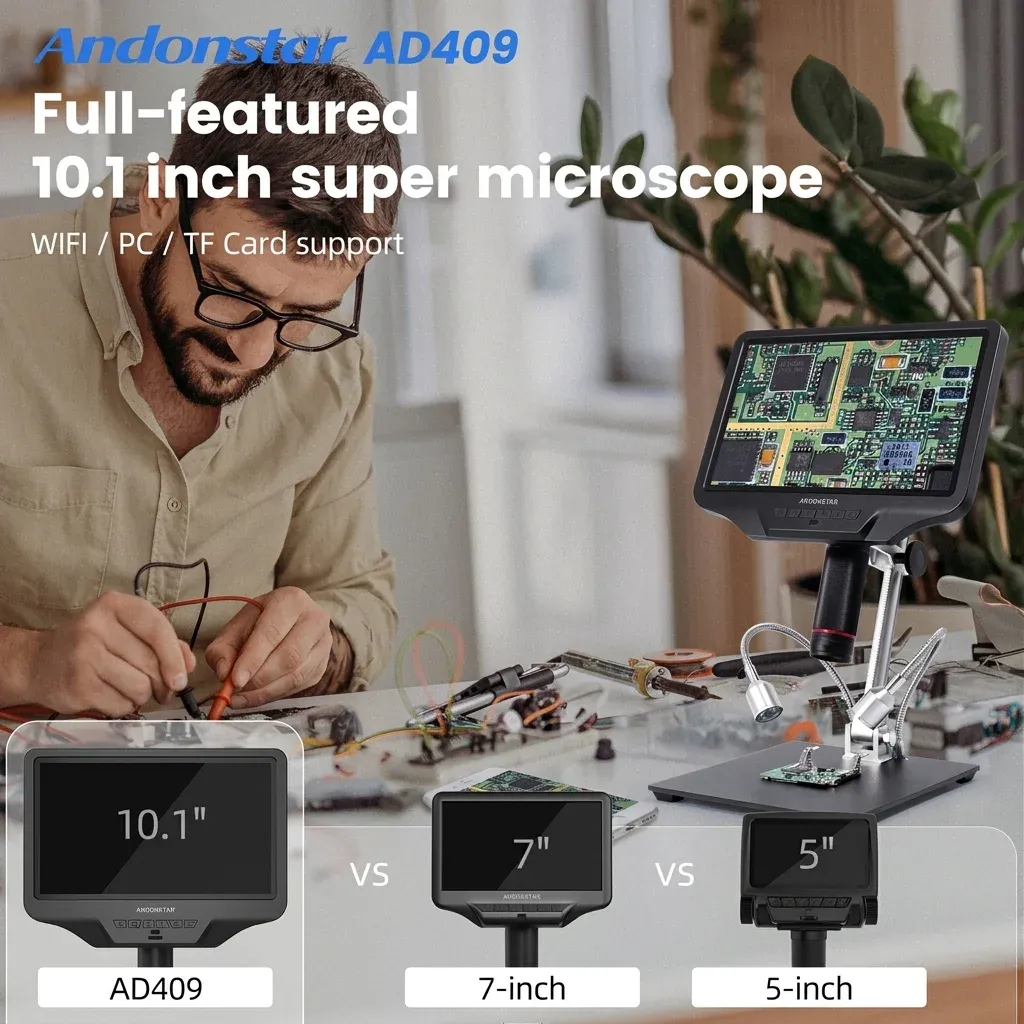
In short: Digital microscope zoom is the total enlargement you see on screen, and it comes from two very different sources — genuine optical magnification through the lens, and digital zoom that simply crops and stretches the image. For judging real detail, such as a suspected mint error on a coin, the optical side and the lighting matter far more than a big "300X" number.
What "zoom" really means on a digital microscope
On a digital microscope, the figure you end up seeing is a combination of three things: how much the lens magnifies, how large the screen is, and how much the software enlarges the picture. Only the first is true optical detail. The other two make the image bigger without adding any new information.
This matters because listings quote a single headline number that blends them together. Two microscopes can both claim the same maximum zoom while showing very different amounts of real detail.
What does 300X actually mean?
A figure like 300X describes how large the subject appears at maximum, usually on the supplied screen — not how much fine detail the sensor can genuinely resolve. A clear image at a sensible magnification is more useful than a soft image pushed to the highest number. On a 10.1-inch screen, moderate optical magnification already fills the display with a coin, a component or a hallmark.
Optical magnification versus digital zoom
Optical magnification comes from the lens and preserves detail. Digital zoom crops into the existing image and interpolates the missing pixels, which softens edges and can invent texture that is not really there. For anyone checking authenticity, that distinction is critical: a die crack and a simple scratch can look alike once an image is over-zoomed and sharpened.
The practical rule is to get as close to your subject as the optics allow first, and treat digital zoom only as a convenience for a quick closer look — never as proof of fine detail.
Zoom for coins and fine detail
If you inspect coins, the goal is repeatable, honest images rather than the biggest magnification. Raised lettering, edge milling and hairline die cracks only show up clearly when the light rakes across the surface. Bright, flat lighting on a shiny coin washes out exactly the features you are trying to judge, so controllable, dimmable side lights — such as dual gooseneck LEDs — do more for a mint-error check than extra zoom.
Upgrading from a small handheld or phone-clip scope to a fixed stand also lets you photograph the same coin from the same angle every time, which is what makes before-and-after comparisons trustworthy.
The HDMIDigita Pro 10.1-inch HDMI Digital Microscope is built around this use case, with a 10.1-inch IPS screen, 300X magnification, 24MP capture, a heavy metal boom stand and dimmable dual gooseneck lights, at £465.90 inc. VAT with free UK next-day delivery, a 12-month UK warranty and 30-day returns.
How much zoom do you actually need?
For coins, hallmarks and most collectible detail, comfortable optical magnification on a large screen with good lighting is plenty. For electronics work, the same holds — see the microscope for electronics repair guide. If you are still weighing up the whole category, the digital microscopes buyer's guide puts zoom in context with the other specifications.
Frequently Asked Questions
What does 300X magnification mean on a digital microscope?
It describes how large the subject appears at maximum, usually measured on the supplied screen. It is not a measure of how much fine detail the sensor truly resolves, so treat it as a rough ceiling rather than a guarantee of clarity.
Is optical zoom better than digital zoom on a microscope?
Yes. Optical magnification comes from the lens and keeps real detail, while digital zoom crops and stretches the existing image, which softens edges and can create texture that is not actually present. Rely on optical magnification for judging fine features.
How much magnification do I need to inspect coins?
Comfortable optical magnification on a large screen, combined with adjustable side lighting, is usually enough to read lettering, edge detail and die cracks. Lighting angle typically reveals more than pushing the zoom higher.
Does a bigger screen increase magnification?
A bigger screen makes the same optical image easier to see and appear larger, but it does not add real detail. It improves comfort and readability rather than true resolving power.
Ready to upgrade your workbench with HDMIDigita?
Upgrade Your Bench — £465.90